And how can industrial buildings reduce downtime?
Overhead doors are essential in warehouses, workshops, logistics centres and industrial buildings.
But many businesses eventually face the same problem:
👉 Unexpected door failures, maintenance costs and operational downtime.
In many cases, the cause is not just poor maintenance — but the design of the door system itself.
Traditional overhead doors rely on multiple moving parts, ceiling tracks and torsion springs that wear over time.
Especially in busy industrial environments, this can lead to frequent breakdowns and higher operating costs.
Why do overhead doors fail over time?
A traditional overhead door uses:
- Ceiling tracks
- Rollers
- Hinges
- Torsion springs
- Cables
- Balancing systems
These components are constantly moving and under tension.
The more often the door operates, the faster wear develops.
👉 In industrial buildings with intensive daily use, this becomes even more noticeable.
The most common causes of overhead door failures
Worn torsion springs
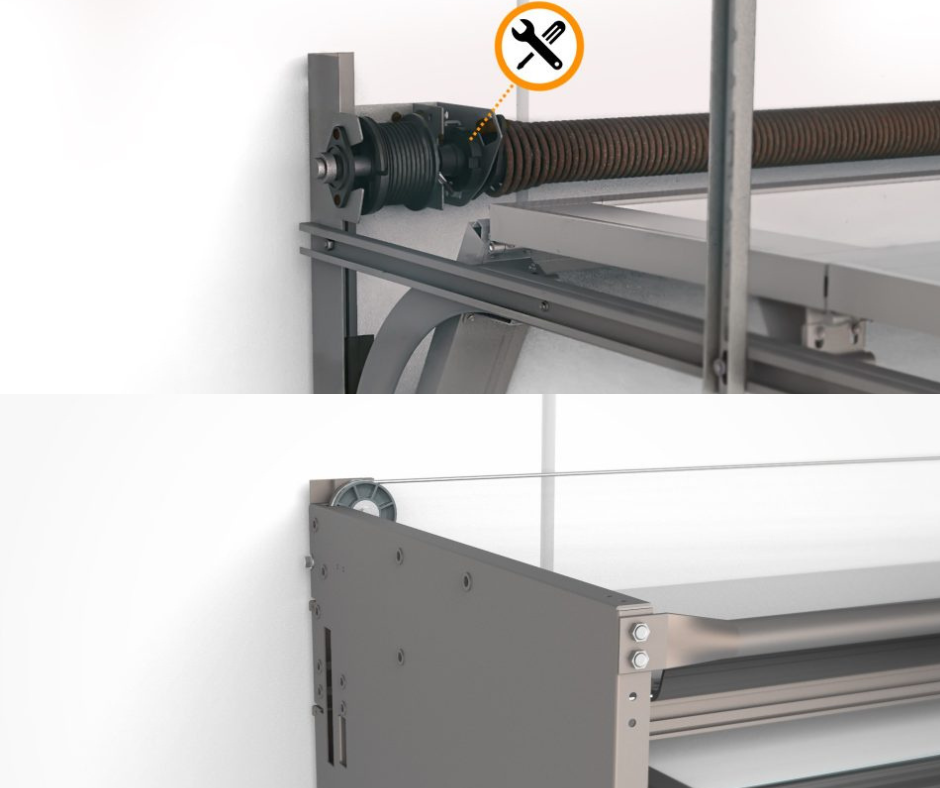
One of the biggest causes of overhead door problems is worn or broken torsion springs.
These springs compensate for the weight of the door and are continuously under heavy tension.
Over time they can:
✖ Weaken
✖ Lose tension
✖ Break unexpectedly
This may result in:
- Unsafe operation
- Door imbalance
- Overloaded motors
- Complete system failure
👉 High-cycle industrial use accelerates spring wear significantly.
Dirty or damaged ceiling tracks
Traditional overhead doors rely on ceiling tracks for smooth movement.
Dust, dirt or small impacts can cause the tracks to become:
- Dirty
- Bent
- Misaligned
This creates extra resistance during operation.
As a result:
✖ Rollers wear faster
✖ Motors work harder
✖ Doors move unevenly
✖ Failures become more common
👉 Forklift traffic and industrial environments increase this risk.
Lack of maintenance
Industrial overhead doors require regular maintenance.
Without proper servicing:
- Bearings dry out
- Rollers wear
- Cables weaken
- Moving parts create extra friction
This increases stress on the entire door system.
👉 Preventive maintenance helps reduce unexpected downtime.
Cable wear and imbalance
Overhead doors use lifting cables to balance and move the door safely.
Over time, cables can:
- Stretch
- Fray
- Lose tension
This may cause uneven movement or dangerous situations.
The hidden cost of overhead door failures
A malfunctioning industrial door affects more than just the door itself.
Failures can cause:
✖ Operational delays
✖ Blocked logistics flows
✖ Energy loss
✖ Safety risks
✖ Emergency repair costs
👉 In many industrial environments, downtime quickly becomes expensive.
Why modern industrial buildings choose different door systems
Many companies are now looking for industrial doors with:
✔ Fewer wear-sensitive components
✔ Lower maintenance requirements
✔ Better reliability
✔ Improved space efficiency
This is one of the reasons why modern folding door systems are becoming increasingly popular.
A modern alternative to traditional overhead doors
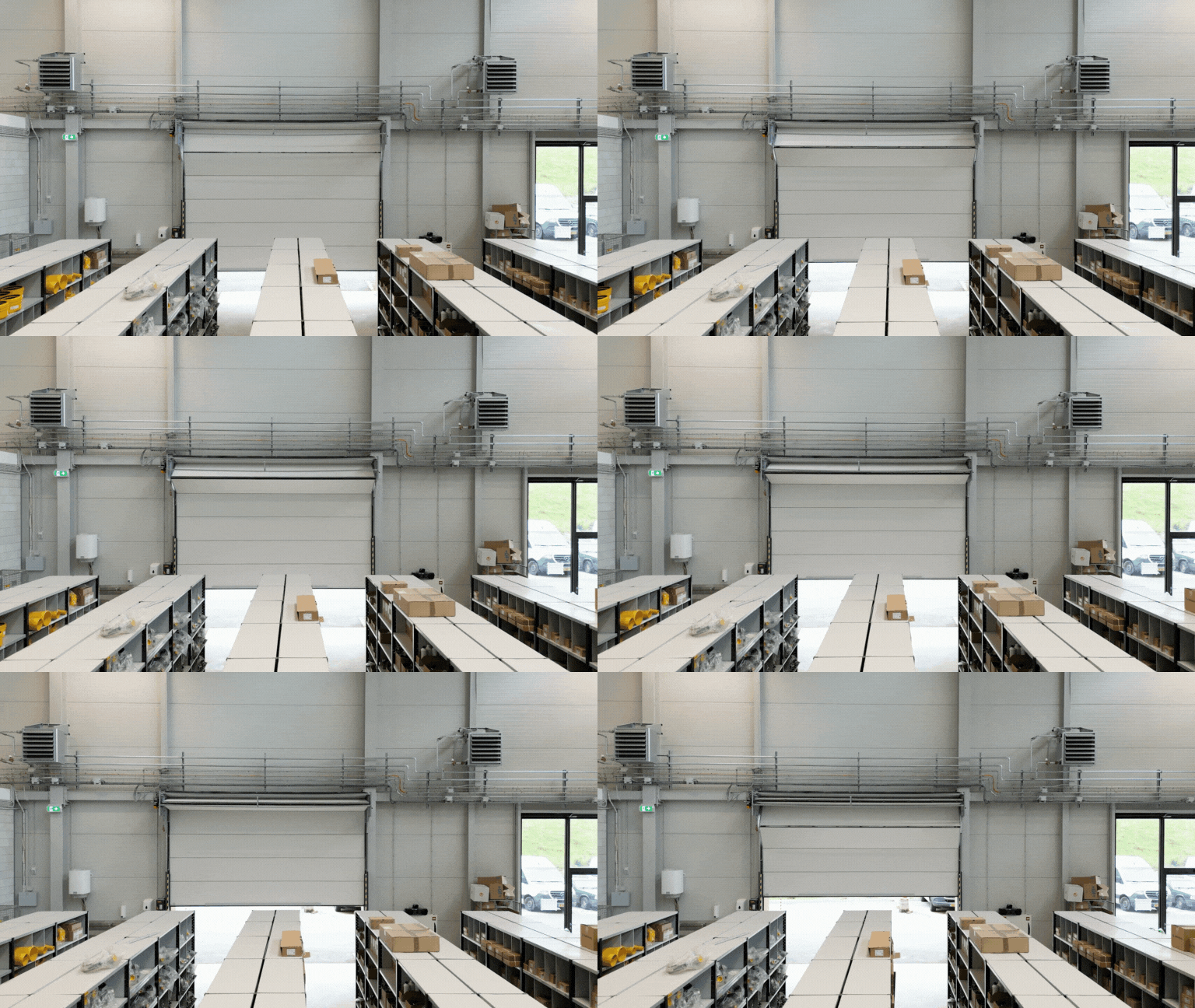
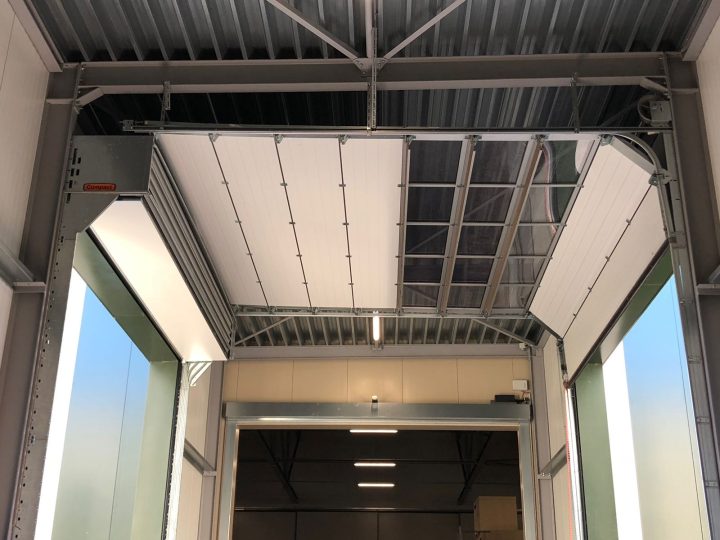
The Compact door by Rolflex works differently from a standard overhead door.
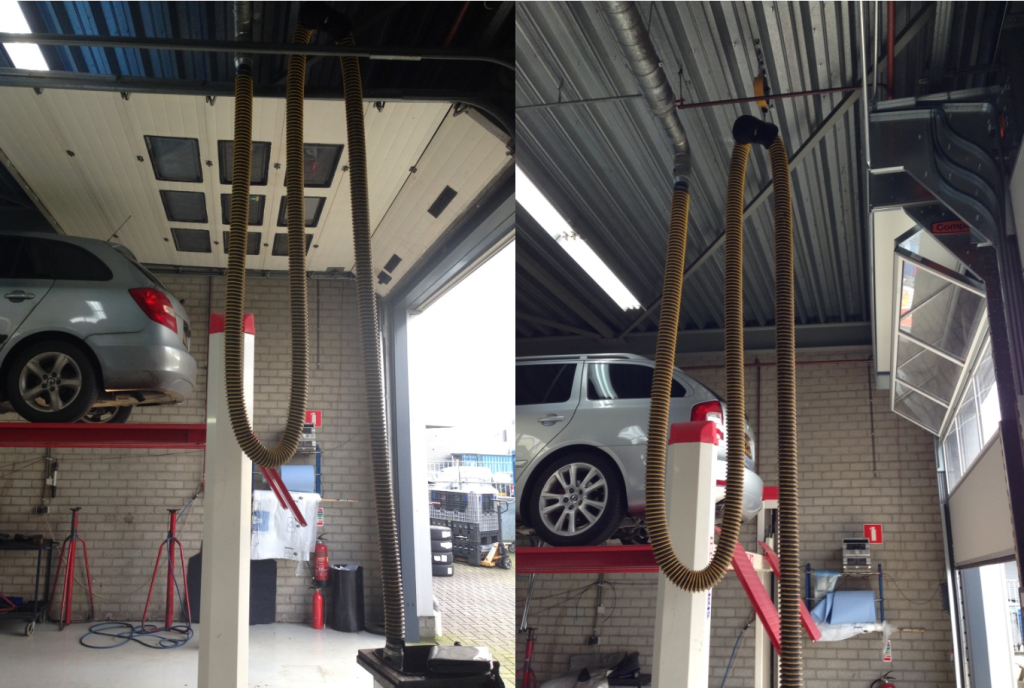
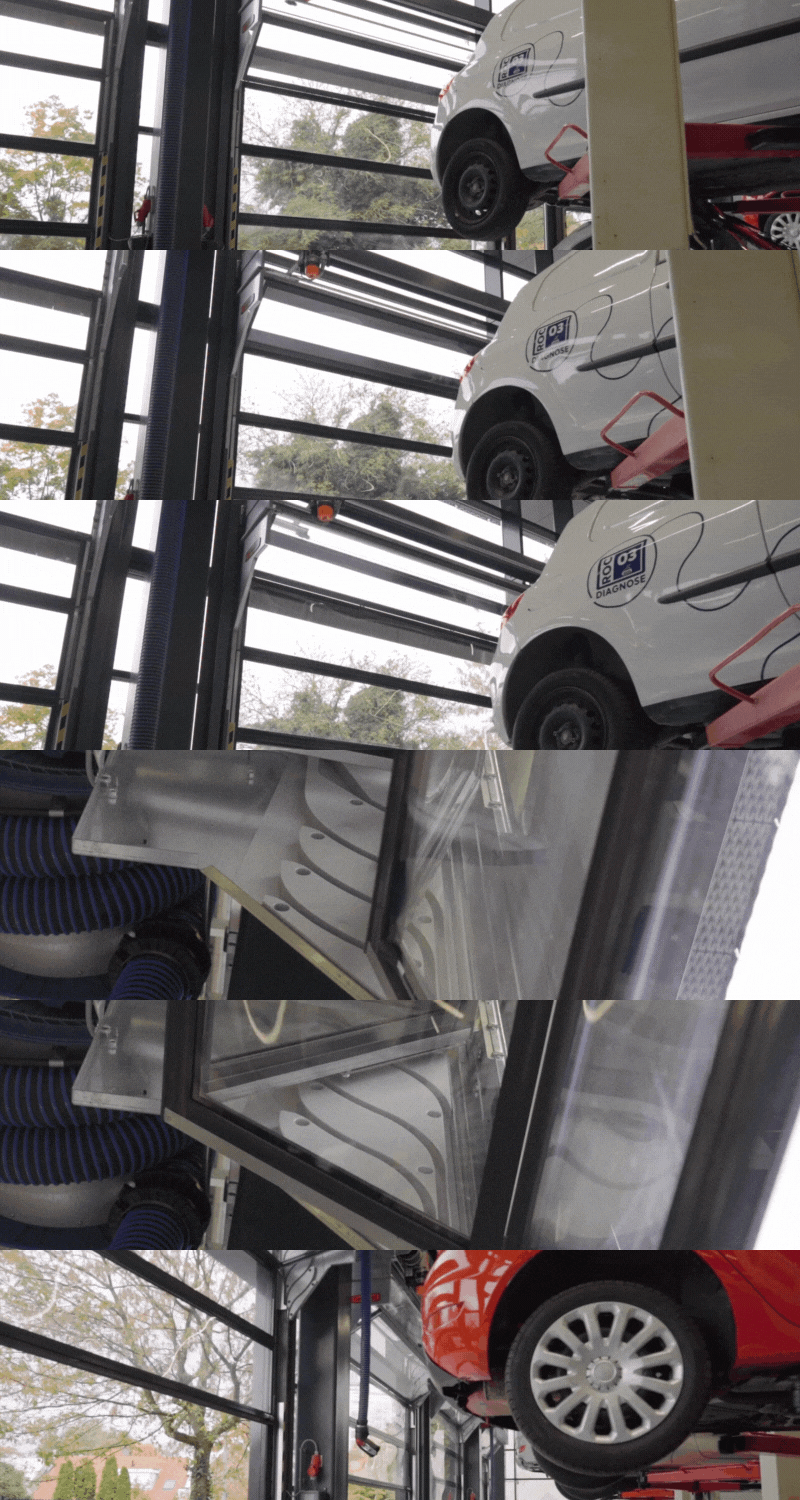
Instead of sliding along ceiling tracks, the insulated panels fold compactly above the opening.
This means:
✔ No ceiling tracks
✔ No torsion springs
✔ Fewer moving parts
✔ Lower maintenance requirements
👉 A simpler and more reliable industrial door system.
Less maintenance, more usable space
Because the Compact door has no overhead tracks, the ceiling remains free for:
- Crane systems
- Lighting
- Sprinklers
- Ventilation
- Technical installations
At the same time, the absence of torsion springs reduces one of the biggest causes of industrial door failures.
Where low-maintenance industrial doors make the biggest difference
The Compact door is especially suitable for:
- Warehouses
- Logistics centres
- Workshops
- Fire stations
- Industrial halls
- Showrooms
- Buildings with crane systems
👉 Anywhere reliability and low maintenance are important.
Conclusion
Most overhead door failures are caused by wear-sensitive components such as:
- Torsion springs
- Ceiling tracks
- Rollers
- Cables
- Balancing systems
In busy industrial environments, these components wear over time and increase the risk of breakdowns.
Modern alternatives such as the Compact folding door reduce these risks by eliminating:
✔ Overhead tracks
✔ Torsion springs
✔ Complex balancing systems
👉 Resulting in lower maintenance costs, fewer failures and improved reliability.
Looking for a low-maintenance industrial door?
Discover a smarter alternative to traditional overhead doors.